There’s a drawer in my kitchen that I call the graveyard. It’s where single-purpose gadgets go after two weeks of optimistic use, never to be touched again. Avocado slicers, herb scissors, a thing that was supposed to make perfect garlic paste, something that claimed it could core a strawberry in one motion. I bought all of them. I used all of them exactly enough times to realize I didn’t need any of them.
The kitchen gadget industry runs on a simple formula: show someone a minor inconvenience, present a tool that appears to solve it, price it low enough that buying feels harmless. The problem is that most of these tools solve problems that don’t exist, or solve them worse than the basic equipment you already own.
Here’s my actual list of regrets, and what I use instead.
The Avocado Slicer
This one gets me because it’s everywhere. Every “top kitchen gadgets” list includes some version of the three-in-one avocado tool. It splits, it pits, it slices. In theory.
In practice, the splitting part works about as well as a butter knife. The pitting mechanism is flimsy and requires you to swing the tool into the pit with enough force to feel like you’re about to take a finger off. And the slicer makes uniform slices that are thinner than anyone wants for guacamole or toast.
What I use instead: A knife. Any knife. Cut the avocado in half lengthwise, twist to separate, tap the blade into the pit and twist it out. Scoop with a spoon. Takes the same amount of time and doesn’t require a dedicated tool that only works on one fruit.
The Garlic Press
I know this is controversial. People either love their garlic press or they think it’s a waste of space. I was in the love camp for about a year before I realized something: cleaning a garlic press takes longer than mincing garlic with a knife.
The press itself works fine. You get garlic paste, it’s convenient. But then you have to dig out the compressed garlic fiber from every crevice of the thing. Even the models with the flip-out cleaning plates still leave residue. And if you don’t clean it immediately, dried garlic in a press is basically cement.
What I use instead: Side of the knife, crush the clove, rough chop. Thirty seconds. If I need it finer, I sprinkle a little salt on the crushed garlic and drag the flat of the blade across it a few times. Perfect paste, no gadget, no cleanup beyond wiping the knife.
The Electric Can Opener
I bought one of these thinking I was upgrading my kitchen. What I got was a countertop-hogging appliance that struggled with every third can, left sharp edges, and needed to be plugged in to perform a task that a $5 manual opener handles without complaint.
The electric opener lasted about three months before the gear mechanism started slipping. The manual opener I replaced it with is the same one I’ve been using for six years since.
What I use instead: A manual can opener. I don’t have a specific recommendation here because almost any manual can opener works. The fancy ones don’t do a meaningfully better job than the basic ones. Just don’t buy electric.
The Herb Scissors
Five parallel blades that chop herbs in one snip. Sounds brilliant. The result is herbs cut to five different lengths with half of them stuck between the blades. Cleaning requires a tiny brush that comes with the scissors and immediately gets lost.
What I use instead: A sharp knife and a cutting board. Bundle the herbs, rock the knife through them. Faster, cleaner, and the knife was already on the counter.
What’s Actually Worth the Drawer Space
Not everything in the kitchen gadget category is a regret. Here are three things I bought that I still use almost daily, years later.
A Good Chef’s Knife
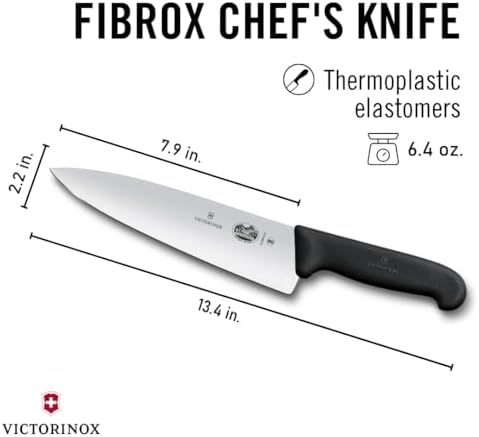
The Victorinox Fibrox Pro 8-Inch Chef’s Knife costs around $35 to $40 and replaces about half the gadgets people buy. Garlic press? Don’t need it. Herb scissors? Don’t need those either. Avocado tool? Definitely not.
A good chef’s knife handles 90% of kitchen cutting tasks. The Victorinox won’t impress anyone at a dinner party with its looks, but it takes a sharp edge, holds it reasonably well, and costs less than most kitchen gadget bundles. Every professional cook I know recommends this as the starter knife, and several of them still use it as their daily driver years later.
A Microplane Zester
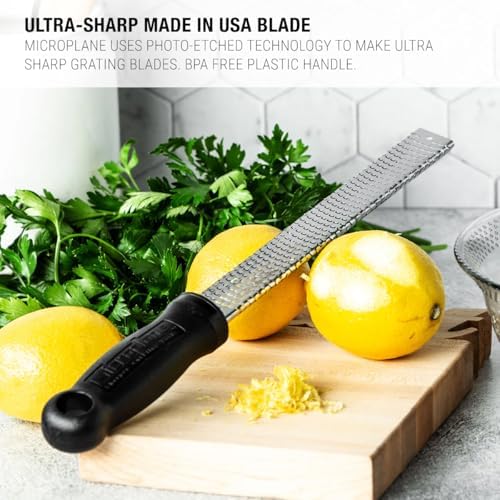
The Microplane Classic Zester is the rare single-purpose tool that earns its space. It costs around $13 to $16 and does one thing: it grates very finely. Citrus zest, hard cheese, garlic, ginger, nutmeg, chocolate.
Try getting a cloud of Parmesan over pasta with a box grater. You get chunks. The Microplane gives you the light, feathery shavings that melt into the dish. Same with lemon zest. It pulls just the yellow part without the bitter white pith. No other tool does this as well.
I’ve had mine for over four years. The blade is still sharp. It cleans in five seconds under running water. This is what a well-designed kitchen tool looks like.
OXO Good Grips Tongs
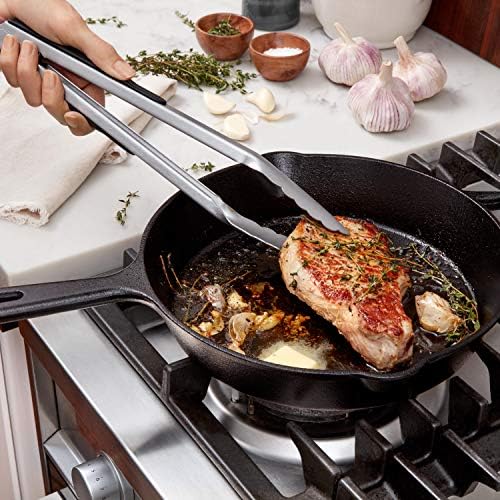
The OXO Good Grips 12-Inch Locking Tongs cost about $14 and are genuinely an extension of your hand. Flipping meat, tossing salad, pulling things out of the oven, serving pasta. I use these more than any other tool in my kitchen, including spatulas.
The locking mechanism actually works and doesn’t break after six months. The grip is comfortable. The scalloped edges grab food without puncturing it. I’m on my second pair only because I lost the first set during a move, not because they wore out.
The Pattern
Look at the regret list and the worth-it list side by side. The regrets are all single-purpose tools that solve problems a knife or a basic utensil already handles. The keepers are versatile tools that do one thing exceptionally well and get used constantly.
Before buying any kitchen gadget, ask yourself two questions: Can my chef’s knife do this? And will I use this tool more than twice a month? If the answer to the first question is yes, or the answer to the second is no, save your money.
The drawer graveyard doesn’t need any more residents.