You've probably heard that carbon steel and cast iron are basically the same thing. They season the same way, they last forever, they both get better with use. People say things like "carbon steel is just thinner cast iron" and leave it at that.
That's not quite right. They're made from similar raw materials, yes, but the difference in carbon content (around 1 to 2 percent) changes everything about how these pans behave in your kitchen. A carbon steel pan is lighter, heats faster, and responds to temperature changes like a sports car. Cast iron is heavier, holds heat longer, and acts more like a freight train. Choosing between them comes down to how you cook, not which metal is superior. Here's what actually matters.
The 2% That Changes Everything
Cast iron contains roughly 2 to 4 percent carbon. Carbon steel contains less than 2 percent. That sounds trivial, but it determines how the metal can be manufactured, which determines thickness, which determines weight, which determines how the pan handles heat.
Higher carbon content makes iron brittle. This brittleness is why cast iron pans are thick: they need mass to resist thermal shock and impact. A standard 10-inch cast iron skillet like the Lodge 10.25-Inch weighs about 5 pounds.
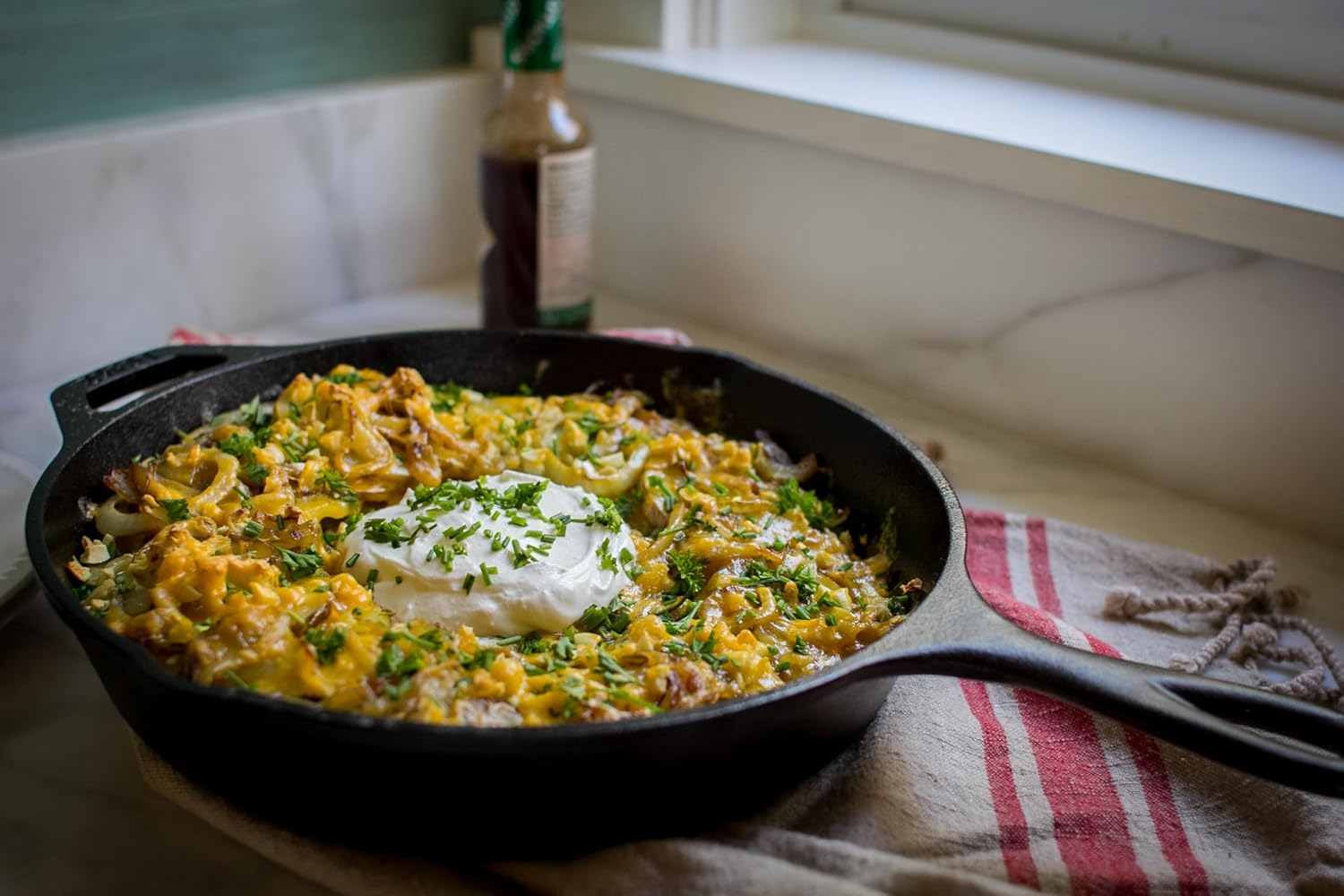
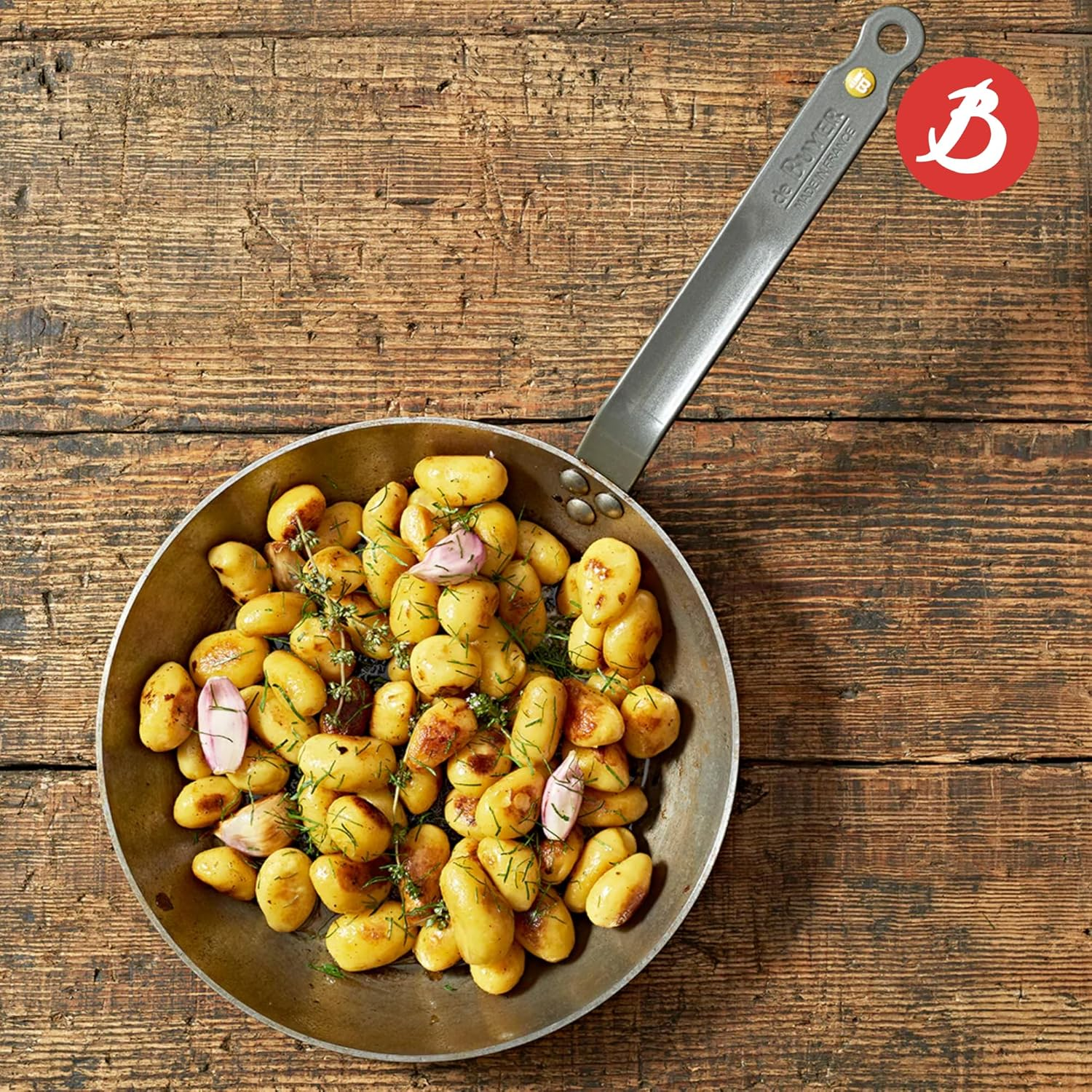
Lower carbon content makes steel ductile. Manufacturers can stamp it from a thin sheet rather than pouring it into a mold. That's why a 10-inch carbon steel pan like the de Buyer Mineral B weighs about 3.5 pounds. Same cooking surface, nearly half the weight.
This isn't a marketing choice. It's metallurgy dictating form.
Heat Behavior Is the Real Difference
The real difference between these two pans is how they handle heat.
Cast iron is a heat battery. It takes 4 to 5 minutes to fully preheat on medium because all that mass needs time to absorb energy. But once hot, it stays hot. Drop a cold steak on a cast iron skillet and the surface temperature barely dips. The thermal mass powers through the cold food without flinching. This is why cast iron sears better than almost anything else.
Carbon steel is heat-responsive. It preheats in 2 to 3 minutes because there's less mass to warm up. But it also loses heat faster when cold food hits the surface. Where this becomes an advantage is adjustment speed. Turn the heat down under a carbon steel pan and the temperature actually drops. Do the same with cast iron and you're waiting a minute or two for it to cool.
If you're stir frying and need the pan screaming hot for 30 seconds then cooler for the vegetables, carbon steel gives you that control. If you're searing a thick pork chop and need consistent temperature through the entire cook, cast iron's thermal mass is the better tool.
Where Each One Wins
Clear patterns emerge from forums, testing, and long-term use.
Carbon steel wins for: stir fry (light enough to toss), omelettes and crepes (responsive heat, smoother surface on most pans), sauteing vegetables (quick temp adjustments), fish (releases better from a well-seasoned carbon steel surface), and anything where you need to move the pan with one hand.
Cast iron wins for: searing steaks and chops (thermal mass maintains contact temperature), cornbread and skillet baking (even oven heat distribution), deep frying and shallow frying (temperature stability through oil), one-pan oven meals (set it at 400 degrees and the pan maintains even heat), and anything where the pan sits still and you want consistent temperature.
Notice the pattern. Carbon steel is the stovetop pan. Cast iron is the oven-to-table pan. There are exceptions, but if you internalize this rule of thumb, you'll reach for the right one almost every time.
Seasoning Is Identical (With One Catch)
Both materials develop a non-stick seasoning the same way. Thin layer of high-smoke-point oil, heat until it polymerizes into a hard coating, repeat. The chemistry is the same. The maintenance is the same. The "no soap" myth applies equally to both (and is equally outdated, modern dish soap is fine for both).
The catch is starting condition. Most cast iron pans ship pre-seasoned from the factory. Lodge, Victoria, and most other brands apply a vegetable oil seasoning before packaging. You can cook on them out of the box, and the surface improves naturally over weeks.
Most carbon steel pans ship bare and food will stick until you build a few layers of seasoning. Budget 20 to 30 minutes for an initial stovetop session: thin oil, heat until smoking, wipe, repeat 2 to 3 times. After that, the pan develops its patina through regular cooking just like cast iron.
This is the single biggest source of frustration for first-time carbon steel buyers. Give it two weeks of regular cooking and the surface transforms.
The Weight Question (It Matters More Than You Think)
A 10-inch Lodge cast iron skillet weighs about 5 pounds. A 10-inch de Buyer Mineral B carbon steel pan weighs about 3.5 pounds. That difference doesn't sound dramatic until you're holding one at arm's length trying to plate food, or lifting it off a glass top stove carefully enough not to scratch anything.
Weight affects: how often you reach for the pan (the lighter one wins), wrist strain during active cooking (tossing vegetables, flipping food), risk of dropping on fragile surfaces, and willingness to hand wash after dinner when you're tired.
This is why carbon steel dominates professional kitchens in France and Spain. Lighter pans mean less fatigue and more control. If you're honest about which pan you'll actually use four nights a week, lighter usually wins for stovetop duty.
Glass Top Stove Compatibility
If you cook on a glass or ceramic cooktop, carbon steel has a real advantage. It weighs less (less risk of cracking the glass if you set it down hard), and the stamped flat bottom of most carbon steel pans is smoother than the rough sand-cast bottom of budget cast iron.
Cast iron works on glass tops too, but the anxiety of handling a 7-pound chunk of metal over a surface that costs hundreds to replace is real. Carbon steel removes most of that anxiety.
Price and Value
A Lodge 10-inch cast iron skillet costs $20 to $25. It's the best value in cookware, full stop. A comparable de Buyer Mineral B carbon steel pan costs $50 to $70. Matfer Bourgeat runs similar. Budget carbon steel options from Lodge or Babish exist in the $30 to $40 range.
Both materials last decades with basic care. Buy based on how you cook, not the price tag.
The Practical Answer
If you're choosing one: start with a 10 to 12 inch cast iron skillet. It's cheaper, ships ready to cook, handles both stovetop and oven duties, and teaches you heat management fundamentals. That's the foundation.
If you already own cast iron and want something lighter for weeknight stovetop cooking, add a carbon steel pan. It complements rather than replaces. Carbon steel handles Tuesday night stir fry and Wednesday morning eggs. Cast iron handles Saturday steak night and Sunday cornbread. Most cooks who own both reach for carbon steel more often on the stovetop, but would never give up their cast iron for specific jobs.
Related Reading
If you're just getting started with cast iron, my guide to the best cast iron skillet for beginners covers what to look for without spending a fortune. Already cooking on a glass top stove? Here's how to use cast iron without scratching the surface. And if carbon steel wok cooking is what caught your attention, check out my breakdown of the best flat-bottom wok for electric stoves.
Questions People Ask
Is a carbon steel pan better than cast iron?
Neither is objectively better. Carbon steel is lighter, heats faster, and responds to temperature changes quickly, making it better for stir fry, sauteing, and any dish where you need to move the pan. Cast iron holds heat longer and distributes it more evenly once hot, making it better for searing steaks, baking cornbread, and slow oven dishes. Most cooks who use both reach for carbon steel on the stovetop and cast iron for the oven.
Can I use carbon steel on a glass top stove?
Yes. Carbon steel is actually safer on glass top stoves than cast iron because it weighs about half as much, reducing the risk of cracking from impact. The smooth stamped bottom of most carbon steel pans also means fewer scratches. You still need to lift it rather than slide it, and preheat gradually, but it is one of the best options for glass cooktops.
Do you season carbon steel the same way as cast iron?
The process is identical. Thin layer of oil, heat until it polymerizes, repeat. The difference is that most cast iron pans ship pre-seasoned and ready to cook. Most carbon steel pans ship bare and require 2 to 3 stovetop seasoning rounds before first use. Once seasoned, both materials build up their non-stick surface the same way over time with regular cooking.
Why is carbon steel more popular in Europe?
European cooking traditions favor lighter pans for stovetop technique. Carbon steel crepe pans, omelette pans, and saute pans have been standard in French and Spanish kitchens for over a century. American cooking leans more toward cast iron because of its association with Southern baking, campfire cooking, and Lodge's dominance in the budget market since 1896. Both materials are equally good. The difference is cultural.