About a year ago I threw out my Teflon pans. I'd read enough articles about chemicals, forever plastics, and health risks to convince myself that ceramic non-stick was the smarter choice. I bought a set of GreenPan ceramic-coated skillets, spent twice what I would have on PTFE, and felt good about it.
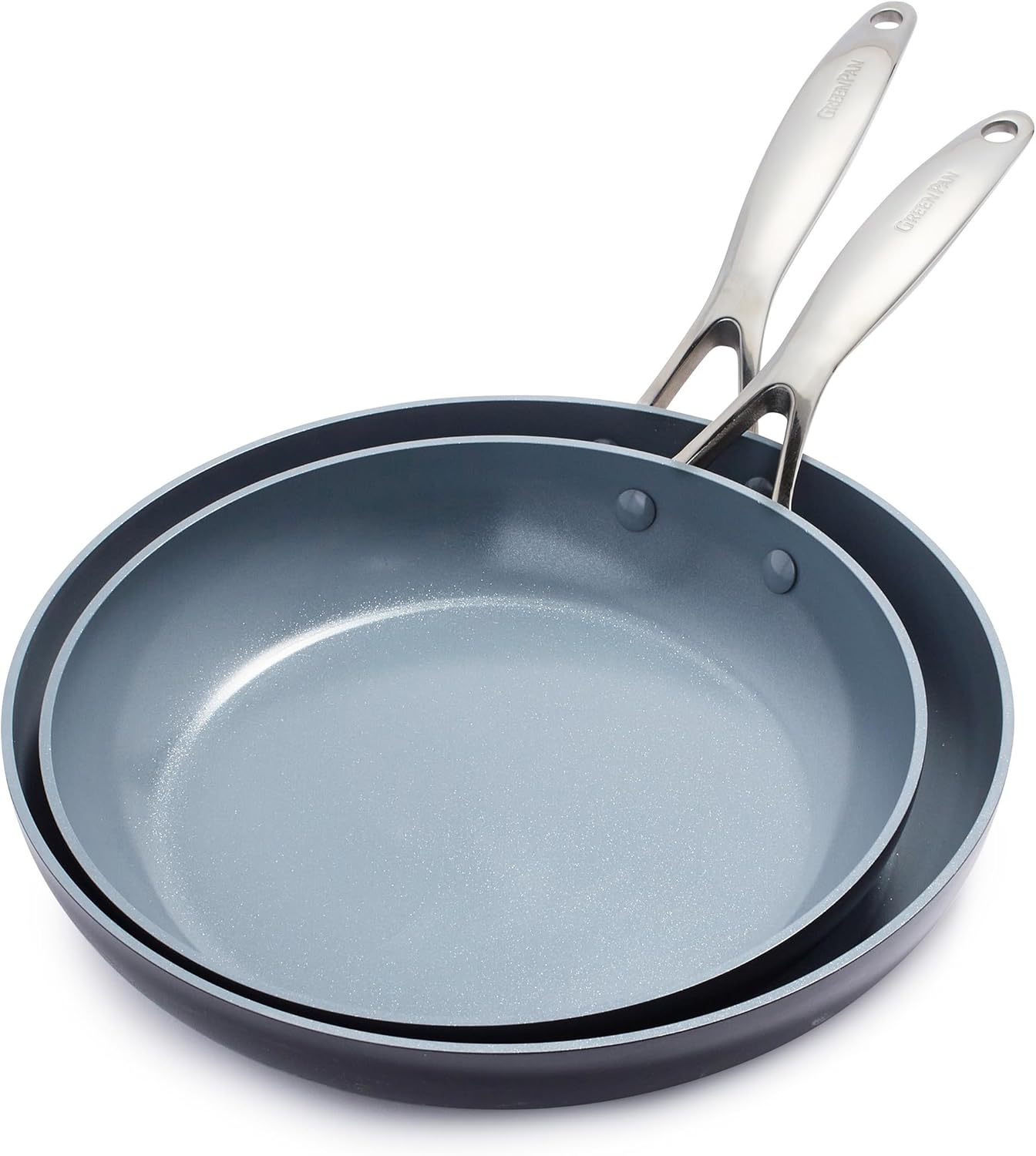
Eight months later, eggs were sticking to the surface like I was cooking on bare metal. The coating looked fine. No visible chips, no peeling. But the non-stick performance had quietly disappeared. I'd spent more money for something that lasted a fraction of the time. That's when I actually researched what ceramic vs Teflon coatings are, how they work, and whether the safety fears that drove my purchase were even justified. Here's what I found.
Ceramic vs Teflon: What They Actually Are
Teflon is a brand name for PTFE (polytetrafluoroethylene), a synthetic polymer invented in the 1930s. It's been used as a cookware coating since the 1960s. The surface is extremely slick at a molecular level because fluorine atoms create a near-frictionless barrier.
Ceramic coating is not actual ceramic like a dinner plate. It's a sol-gel coating made from silicon dioxide (essentially liquid sand) sprayed onto a metal pan and cured at high temperature. The result is a smooth, mineral-based surface that releases food without PTFE. Brands like GreenPan, Caraway, and Our Place use variations of this technology.
Both are applied to aluminum or stainless steel pan bodies. Both provide non-stick food release. The similarities end there.
Why Ceramic Degrades Faster
This is the part nobody told me before I bought. The sol-gel ceramic coating is physically softer than PTFE. Every time you heat and cool the pan (thermal cycling), the coating expands and contracts at a slightly different rate than the metal underneath. Over hundreds of cycles, microscopic cracks form in the surface.
Those cracks are invisible to the eye but food finds them. Oils seep into them and polymerize, creating sticky spots. Unlike PTFE coating, which maintains its molecular slickness until it physically peels away, ceramic loses performance gradually. You don't wake up one morning to a failed pan. You just notice eggs dragging slightly more each month until one day you're scraping with a spatula and wondering what happened.
In my experience, and this aligns with what hundreds of reviewers report: ceramic delivers about 6 to 12 months of good non-stick before noticeable decline. PTFE delivers 2 to 4 years under the same conditions. The non-stick coating lifespan difference alone should be the deciding factor.
The Safety Question (What I Got Wrong)
The reason I switched was health. I'd read that Teflon was dangerous, that it released toxic chemicals, that it was linked to cancer. Here's what I found when I actually looked at the science instead of the marketing:
The PFOA issue is real but resolved. Before 2013, a chemical called PFOA (perfluorooctanoic acid) was used in the manufacturing process of PTFE coatings. PFOA is genuinely harmful and was linked to health problems in factory workers exposed to it at industrial concentrations. Since 2013, all PTFE cookware is manufactured PFOA-free. The dangerous chemical was in the process, not the finished coating.
The overheating issue is real but avoidable. PTFE releases fumes above 500 degrees Fahrenheit. These fumes can cause temporary flu-like symptoms in humans and are lethal to pet birds. This is the real Teflon pan health risk people should worry about, not the coating itself. But reaching 500 degrees requires leaving an empty pan on high heat for several minutes. Normal cooking with food and oil in the pan stays below 400 degrees. If you never preheat empty on high (which you shouldn't do with any non-stick pan), this risk is zero.
The marketing angle. Ceramic brands built their entire identity around being "PFOA-free" and "chemical-free." But since 2013, all Teflon pans are also PFOA-free. The marketing exploits fear of a problem that was already solved. I fell for it.
The Replacement Cost Math
Here's where the mistake becomes financial:
A mid-range PTFE pan (Calphalon Classic, All-Clad HA1) costs $35 to $50 and lasts 2 to 3 years with regular use. That's roughly $1.50 per month.
A mid-range ceramic pan (GreenPan, Caraway) costs $50 to $80 and lasts 6 to 12 months at full performance. That's $5 to $13 per month.
You pay more upfront for something that wears out faster. The "premium health choice" is actually the worse value in every measurable dimension except marketing copy.
What I Actually Recommend Now
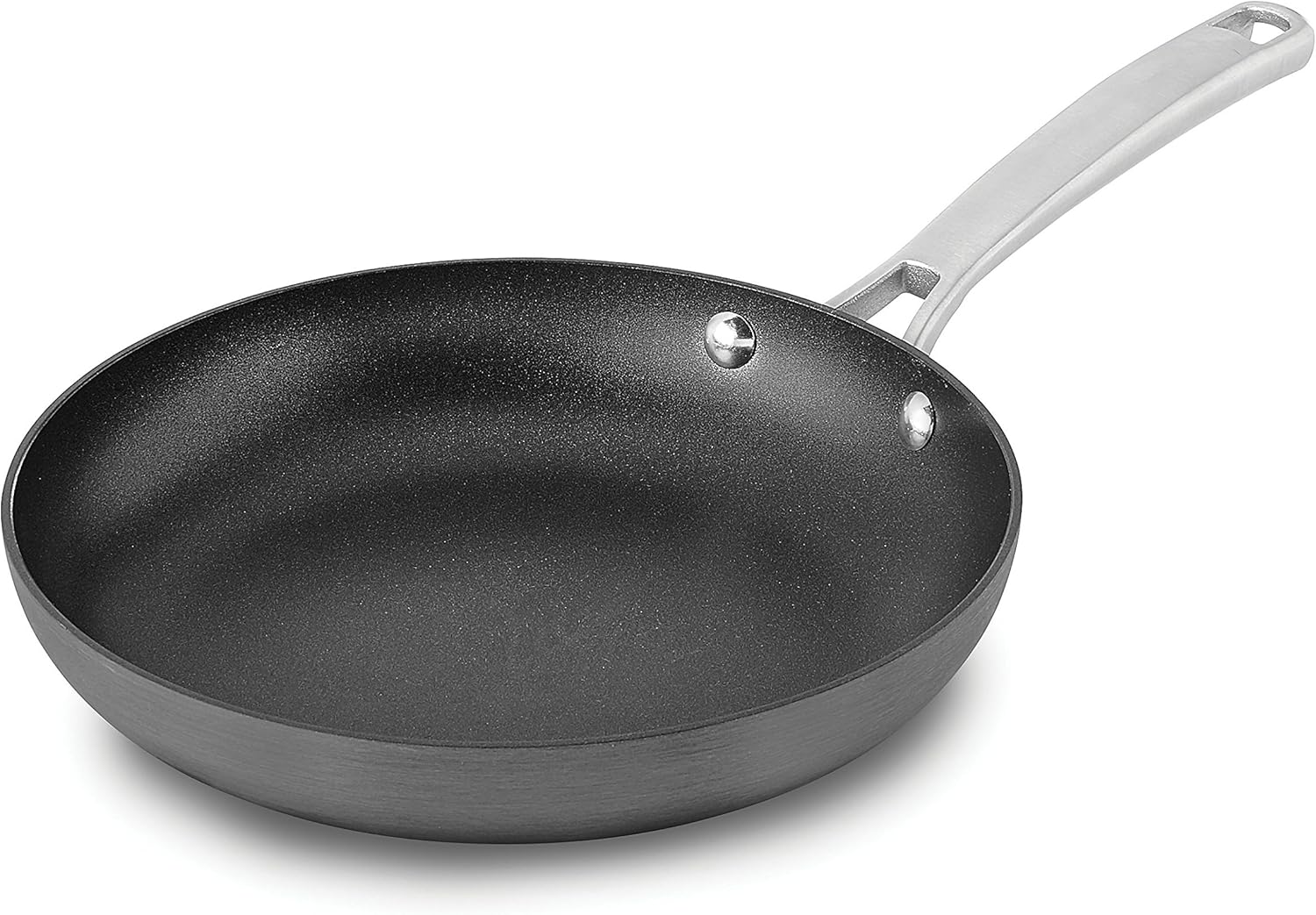
If you want non-stick and you accept that all coatings are consumable (they are, no matter what anyone says), buy a mid-range PTFE pan in the $30 to $50 range. Treat it properly: medium heat maximum, no metal utensils, hand wash only, never preheat empty. You'll get 2 to 3 good years.
If the idea of any coating degrading bothers you, the real exit ramp is carbon steel or cast iron. Both develop natural non-stick surfaces that improve with age rather than degrade. They require more technique but they last decades.
If you specifically want ceramic because you have pet birds (PTFE fumes are lethal to birds even at moderate overheating), that's a legitimate reason. Just budget for replacement every year and understand what you're trading for that peace of mind.
The Lesson
I made this mistake because I let marketing fear override research. "Chemical-free" and "healthier" are powerful words when you're standing in a store. But the actual safety difference between modern PTFE and ceramic is effectively zero for normal home cooking. The durability difference is massive.
The better question was never "which coating is safer" but "how long will this actually last before I'm buying another one." I wish someone had told me that before I spent the money.
Related Reading
If you've already committed to the non-stick replacement cycle, my guide covers which PTFE pans offer the best lifespan per dollar. And if you're ready to step off the treadmill entirely, the carbon steel vs cast iron comparison explains which lifetime cookware suits your cooking style.
Questions People Ask
Is ceramic coating safer than Teflon?
In normal home cooking conditions, both are safe. Modern Teflon (PTFE) has been PFOA-free since 2013. It only releases fumes above 500 degrees Fahrenheit, which requires leaving an empty pan on high heat for several minutes. Ceramic coatings contain no PTFE or PFOA and use a mineral-based sol-gel process. Neither poses a meaningful health risk when used at normal cooking temperatures with basic care.
How long does a ceramic non-stick pan last?
Most ceramic pans lose significant non-stick performance within 6 to 12 months of regular use. Heavy use (4 to 5 times per week) accelerates this to as little as 4 to 6 months. The sol-gel ceramic coating is softer than PTFE and wears down faster from thermal cycling and utensil contact. A comparable PTFE pan typically lasts 2 to 4 years under the same conditions.
Why does food start sticking to my ceramic pan?
Ceramic coatings degrade through thermal cycling (heating and cooling repeatedly), microscopic scratches from utensils, and residue buildup from cooking sprays. Once the surface develops micro-abrasions, food finds purchase in those tiny scratches and sticking begins. Unlike PTFE which maintains its slickness until the coating physically peels, ceramic loses performance gradually and often without visible damage.
Are Teflon pans safe to use in 2026?
Yes. All PTFE cookware manufactured after 2013 is PFOA-free. The American Cancer Society states there are no known risks to humans from using Teflon-coated cookware at normal cooking temperatures. The only concern is overheating above 500 degrees Fahrenheit on an empty pan, which releases fumes that can cause temporary flu-like symptoms. Normal cooking with food and oil in the pan never reaches these temperatures.